AELITA COMMUNITY
A space,
filled with
meaning
Weekly meetings where we learn to tell our own desires from everyone else's — and find the courage to live.
Architecture of understanding
We often think we're not understood because we "explained badly", or that the other person "understands badly". Both are lies. Here we create a form in which understanding can happen.
AELITA COMMUNITY — language environment, a place where people grow into big ideas first, and then into their own — where they learn to tell their own desires from everyone else's, their fate from their parents' scripts, and closeness from economics.
You truly exist only where you think, feel, experience, want, and act unlike everyone else. There is no such thing as “everyone.” What exists are parental prescriptions, the code of Instagram*-conformity, cultural scripts... But none of that is a person.
* Instagram is a social network owned by Meta Platforms Inc., whose activities providing Instagram and Facebook within the Russian Federation have been declared extremist and are banned there.
To think differently, you need to rebuild yourself. More than once. Constantly. Ceaselessly. Every minute.
For over 13 years Katya has been reading books and leading these meetings. A book, a film, a painting, or a play is a tool for her — you can use it, or not.
Founder · Space Architect
Ekaterina Abdulova
Psychologist, certified transactional analyst (ITAA), coach (ACSTH), director. AELITA PRODUCTION.
Speaks “Martian” — and knows how to translate it back into human. With patience and without rush.
More about Katya →How we speak the same language and still don't understand each other
At one of our meetings an interesting question came up: is it enough to simply know Russian to understand each other? Or is it broken telephone, where one person says one thing, the other looks through the fogged glass of cognitive bias and understands something else entirely — replying to a description generated by their own experience, not to what was actually said?
Katya speaks “Martian” — the language of meanings that don't lie on the surface.
Her role in the group: to explore the distortions, offer a different way to describe them and bring what was said back to its actual meaning. This takes patience and vision — and that's exactly what she brings to the group.
How quickly can people tune their languages to the same wavelength? After all, it's not one language — it's at least three.
Formulates
A participant asks a question, using their own experience as the main argument. They don't hide their view — they put it on the table.
Responds
The second participant doesn't argue — they run what they heard through their own frame of reference, and hand back a different version of the same question. That's how depth is born.
Questions it
The third participant sees both positions and points out their limits. They don't judge who's right — they show the boundaries of each claim.
Katya
She holds all three positions in mind at once and keeps attention on the substance, not on defending anyone's ego or worldview. She doesn't let the conversation slide into an argument. Her job isn't to explain the meaning for everyone — it's to make sure each participant can find the truth themselves. She builds a stable frame where uncomfortable questions can be asked without fear or ceremony.
Chaos first.
Then — an aftertaste of insights
At meetings it's not always clear how the mechanism actually works: sometimes it seems you're just talking, when in fact someone else's pressure of meaning is flowing into the shared pot.
The difference between our “maps” creates tension, and it's exactly that tension that sets the system in motion, pushing each participant's frame of perception to widen.
The steam doesn't just vanish. After the meeting it keeps working inside the system — reflecting on what you heard resets the feedback loops, and making sense of someone else's experience turns the compressed air into an actual movement of thought.
It's not just a matter of revisiting situations — it's a gradual shift in the algorithm itself: understanding how to act under new conditions.
Katya doesn't run the boiler and doesn't set the temperature. She's the mechanism that keeps the system at the pressure it needs, letting each participant start their own process of turning that energy into something, and take from this pot exactly as much force as their own structure is ready to hold.
What we're reading
Currently reading
Conversations about thinking
A philosopher who thought aloud — and taught those who listened to think. Mamardashvili spoke about consciousness, freedom and what it means to be human.
Conversations about thinking · While reading
Previously read
People who play games. Games that people play
A universal tool that addresses fundamental mental challenges. Transactional analysis in everyday practice.
Completed · Moved on to Mamardashvili
Why we choose to be together
Marriage used to rest on religion, economics, and public opinion. Today all three pillars have shaken: women earn their own money, the church is no longer an authority for many, and the word “divorce” surprises no one. There's almost no external reason left for monogamous family — and no one has quite put the internal ones into words.
There's no ready-made answer. For a year we'll read — from psychology to philosophy to fiction — and try to piece together our own puzzle: why people choose to wake up next to the same person for a lifetime, and whether there's meaning in that when they could choose otherwise.
New intake · September
A new AELITA COMMUNITY group starts in September — for those who wanted to join earlier but didn't make it.
Format — 1 book a month, 1 meeting a week. Participation — 10,000 ₽ a month.
Join the new groupWhat and when we're reading
“Games People Play” + “What Do You Say After You Say Hello?”
We open the season with a shared vocabulary: what games we play on each other without noticing, and what the hidden payoff is — this lens will be needed for every month after this one.
“The Symposium”
Where did the idea of a “soulmate” come from? We compare it with the biblical view of marriage as a union before God.
“The Russian Family, 11th–19th Centuries” · The first pillar falls
We look at family as an economic institution. And at how biblical norms once underpinned that way of life.
In parallel: “The Storm” and “Lady Macbeth of the Mtsensk District” — how religious and cultural norms crushed the individual.
“On Aggression” · The second pillar falls
We look at nature. If people are made free, what is instinct saying inside us? Why are aggression and possessiveness built into us biologically?
“Selected Works” · The inner foundation
How does infant experience with the mother shape the capacity for faithfulness and trust? Here the Bible works as an archetype of “unconditional maternal love.”
“The Father” · The Father archetype, human and divine
We continue the theme of childhood. Who is the Father in psychology, and in the Old and New Testaments? How does his absence or presence affect one's readiness to be an adult and take responsibility for a partnership?
In parallel: “Hamlet” — a world without a father.
“Drugs, Addiction and Initiation” · Escaping reality
Why do we chase intense sensations? Why is infidelity also a kind of drug? What are we trying to “kill” in ourselves by escaping routine, and why does the Bible call this sin?
“Sex in Human Loving” · Scripts and games
We look at how we play “games” — how attraction and sex get used as tools of manipulation. We compare this with the moral principles of the New Testament.
“Love and Fear” · A diagnosis for 2026
The final look at the collapse of all the external “pillars” — society, the church, economics. Why religion no longer holds things together, and what happens to people left alone with their freedom.
In parallel: “Till Boredom Do Us Part” and “Madame Bovary.”
“Love Relations: Normality and Pathology” · Mature love
We reach the peak of psychoanalysis. How to hold aggression, anger, and boredom in a long relationship without destroying it — an answer to the question, “how do you stay faithful by choice?”
“Existential Psychotherapy” · An existential conclusion, and the year pulled together
Why do we choose one person, knowing we'll die alone? What does real meaning look like against mere “rules”? We put the whole puzzle back together — looking at the entire year through Plato, Berne, and Yalom: what's left of the “commandments” once fear and self-interest are gone.
We don't read the Bible separately, chapter by chapter — we keep it on the table as a basic vocabulary of morality. At every meeting we ask: “How does the New Testament see this? What did it mean to people 2,000 years ago, and how can we understand it now without doing violence to ourselves?”
Fiction runs alongside as an extra emotional layer — you read it at your own pace, and at meetings we look at the characters through the psychology and philosophy we've just covered.
If you're tired of slogans like “family is sacred” and want to understand how closeness actually works — we're headed the same way. And beyond the books, the group travels together, goes to the theater and exhibitions, paints, celebrates birthdays, and builds projects together — some of it is visible in the photos below.
What participants say
Katya, that's you, I think... I remember what you said — that everyone takes from Berne exactly as much as they can take. In practice — everyone around yesterday's fire and you, as our little flame, takes as much as they can. Thank you, Katya. Thank you for our meetings.
Thank you for the meeting! It leaves a lasting aftertaste of insights — I revisit situations and apply what I learnt.
Delighted to meet everyone! I take a little from each person, try it on — and come back to myself.
From past meetings
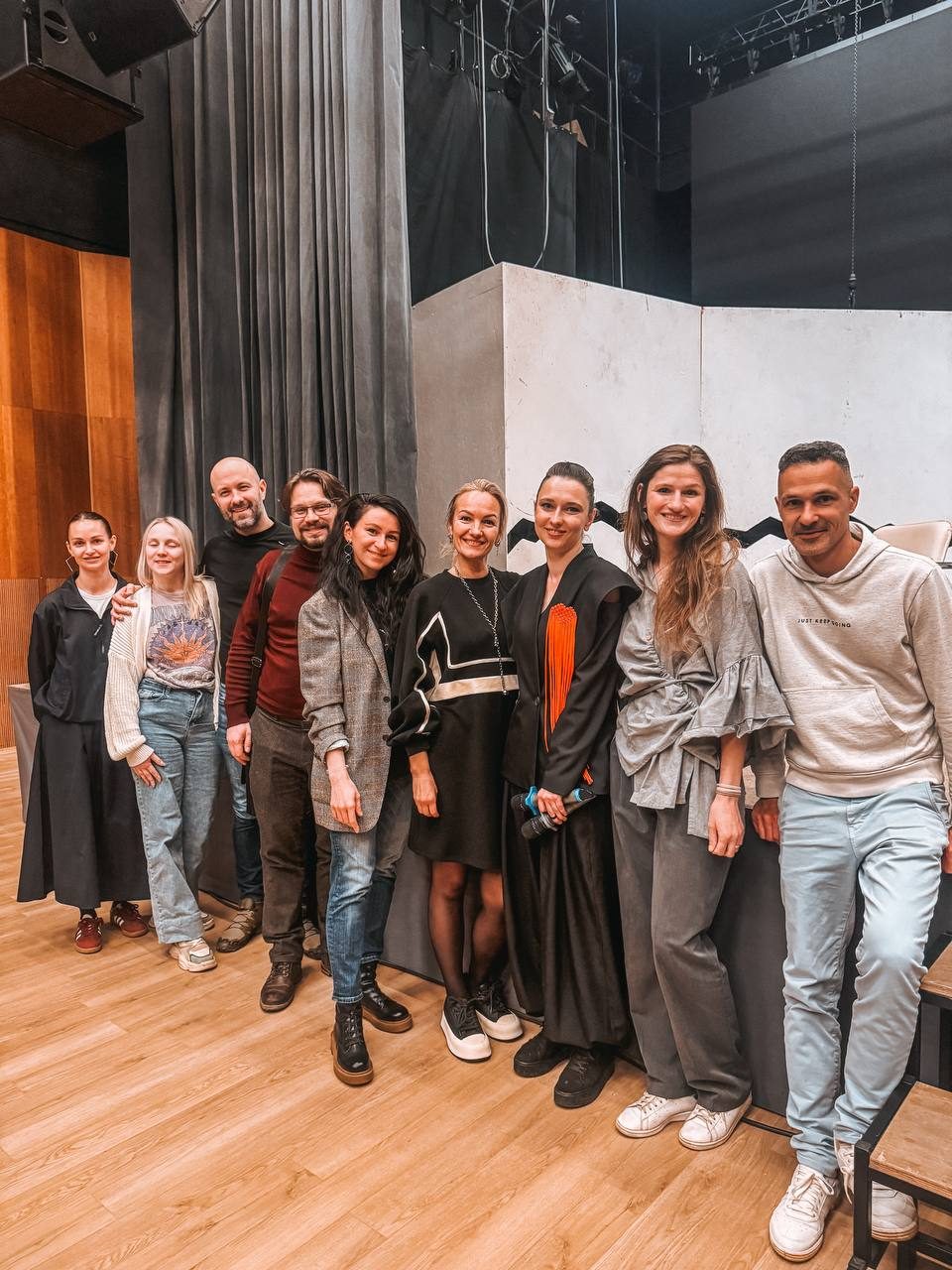
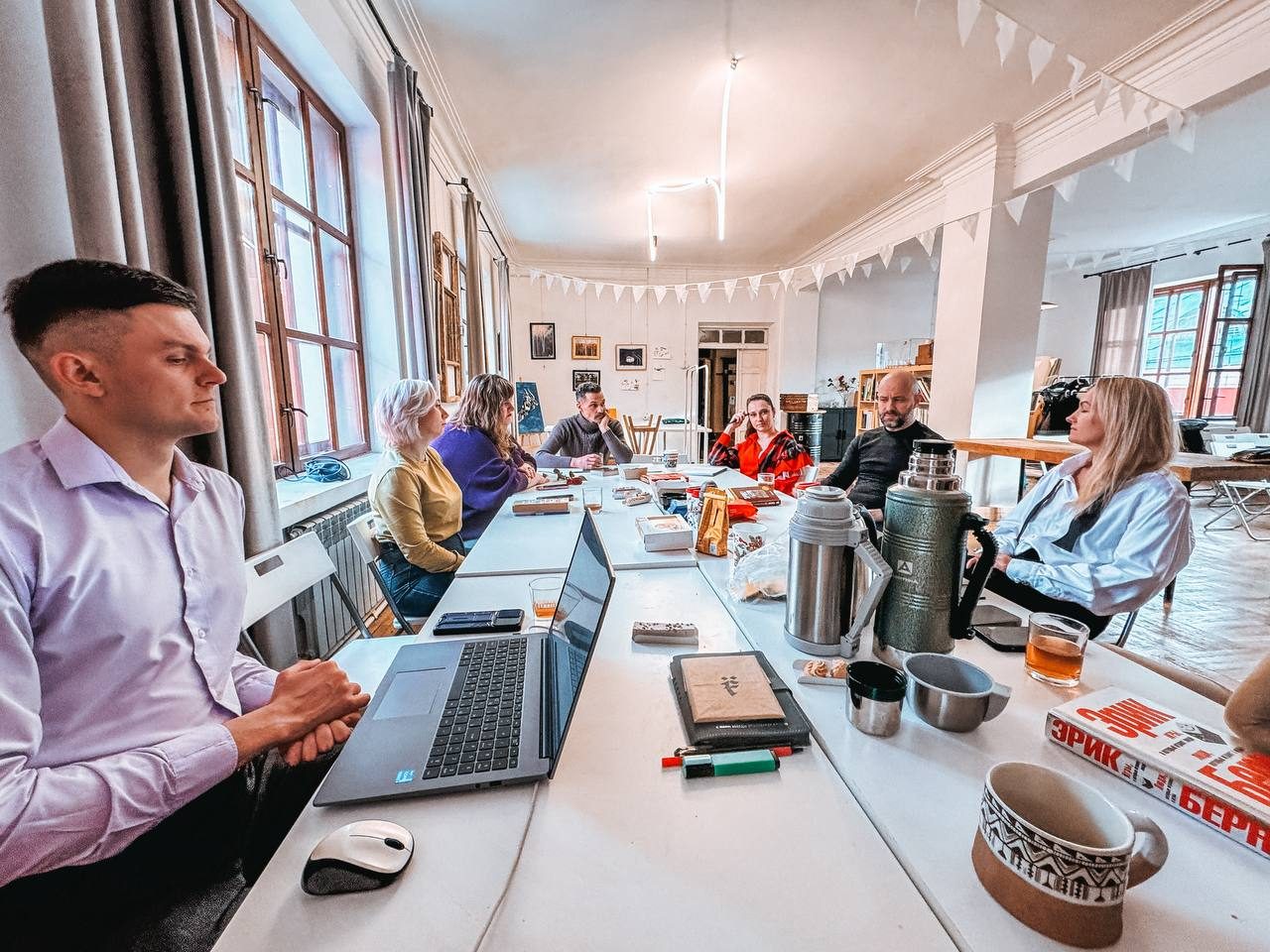

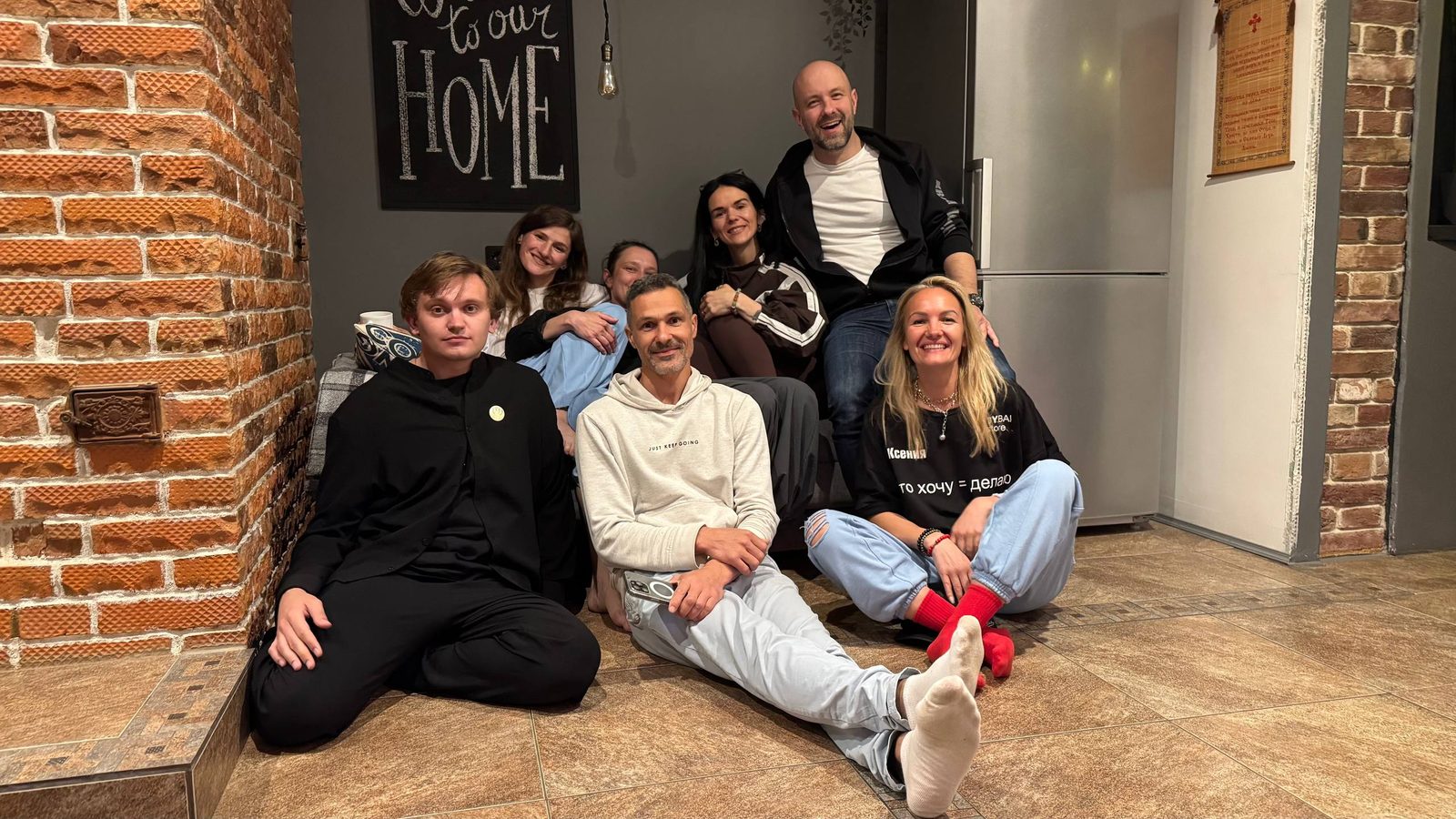
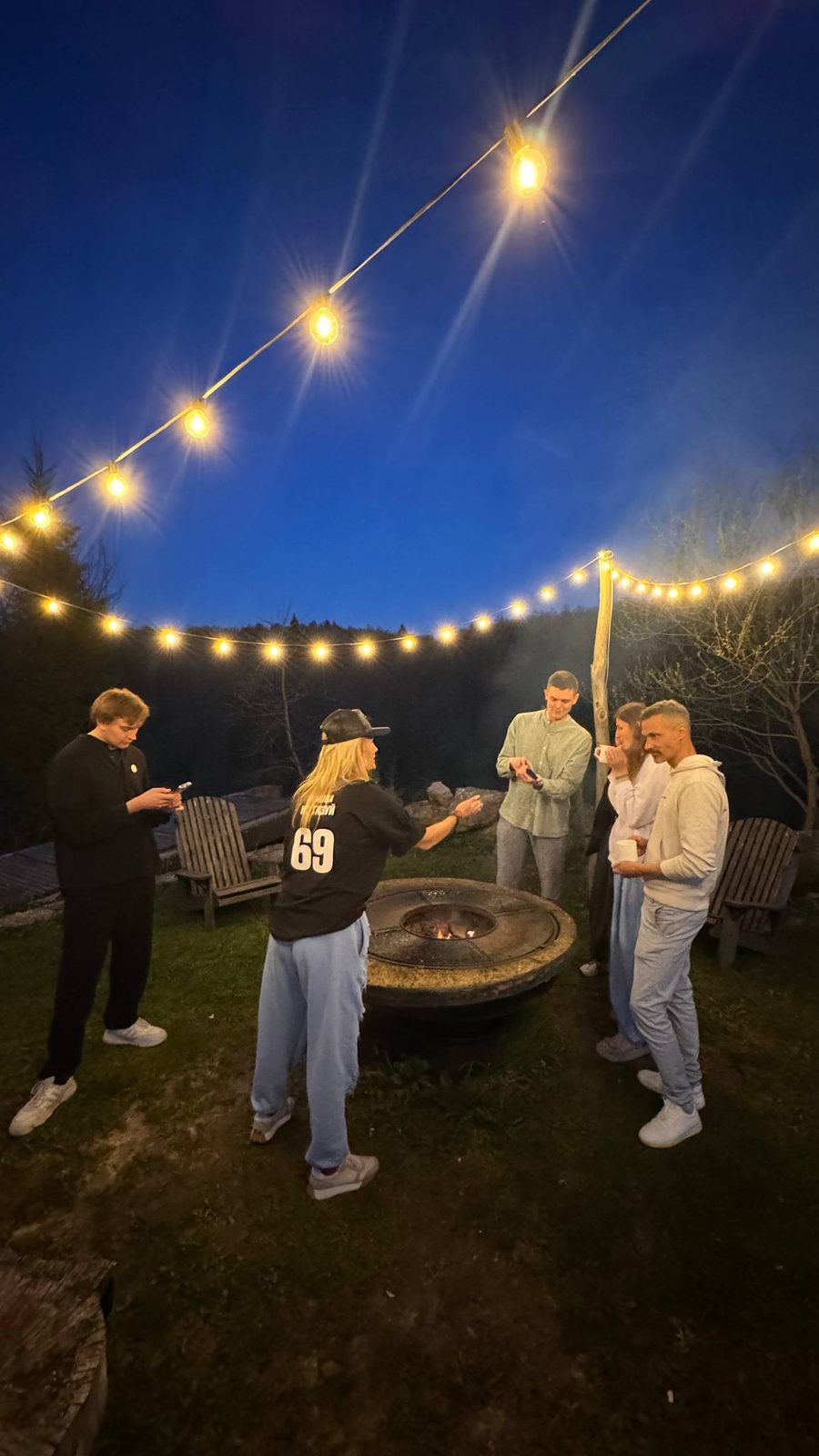
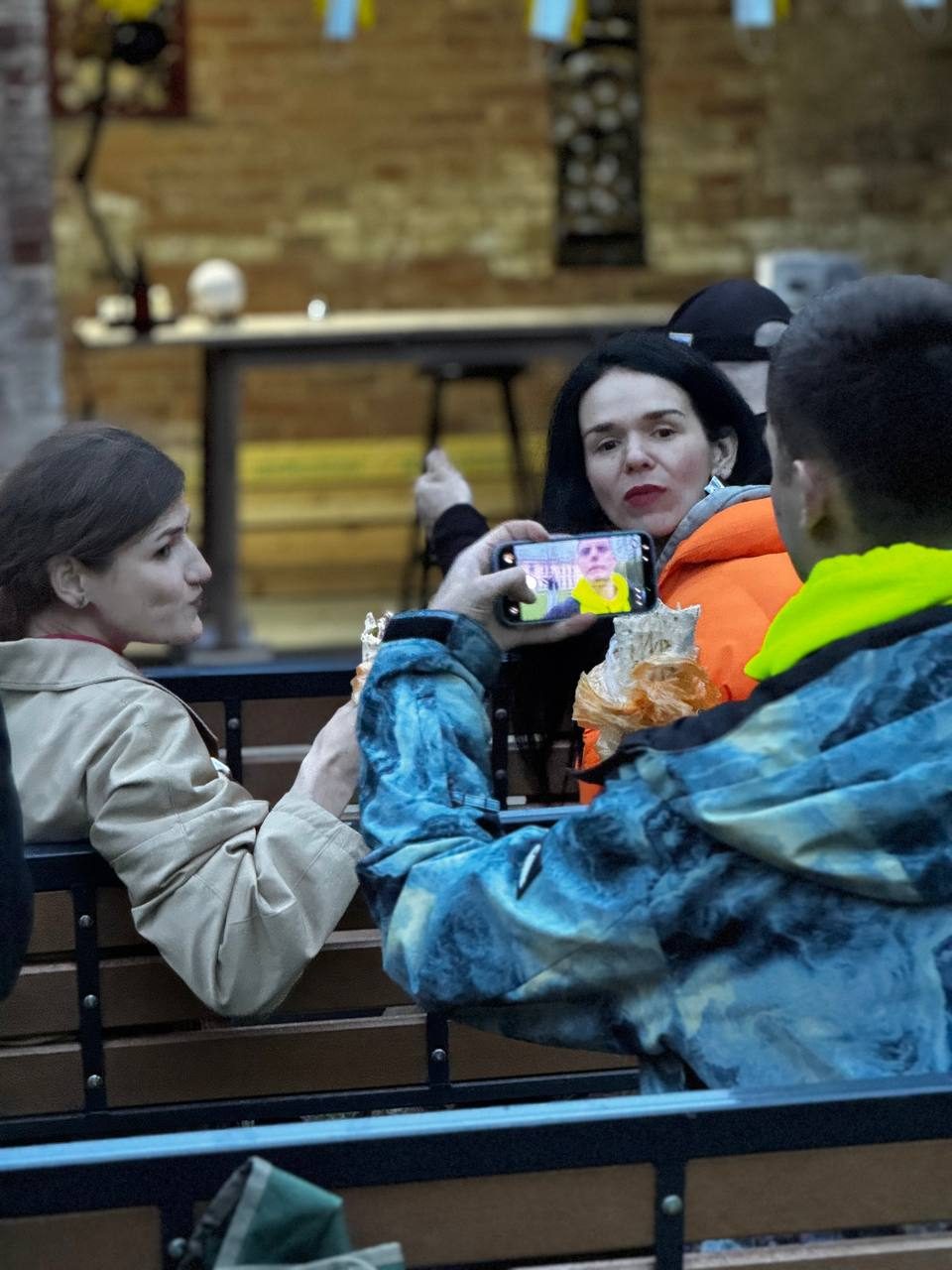
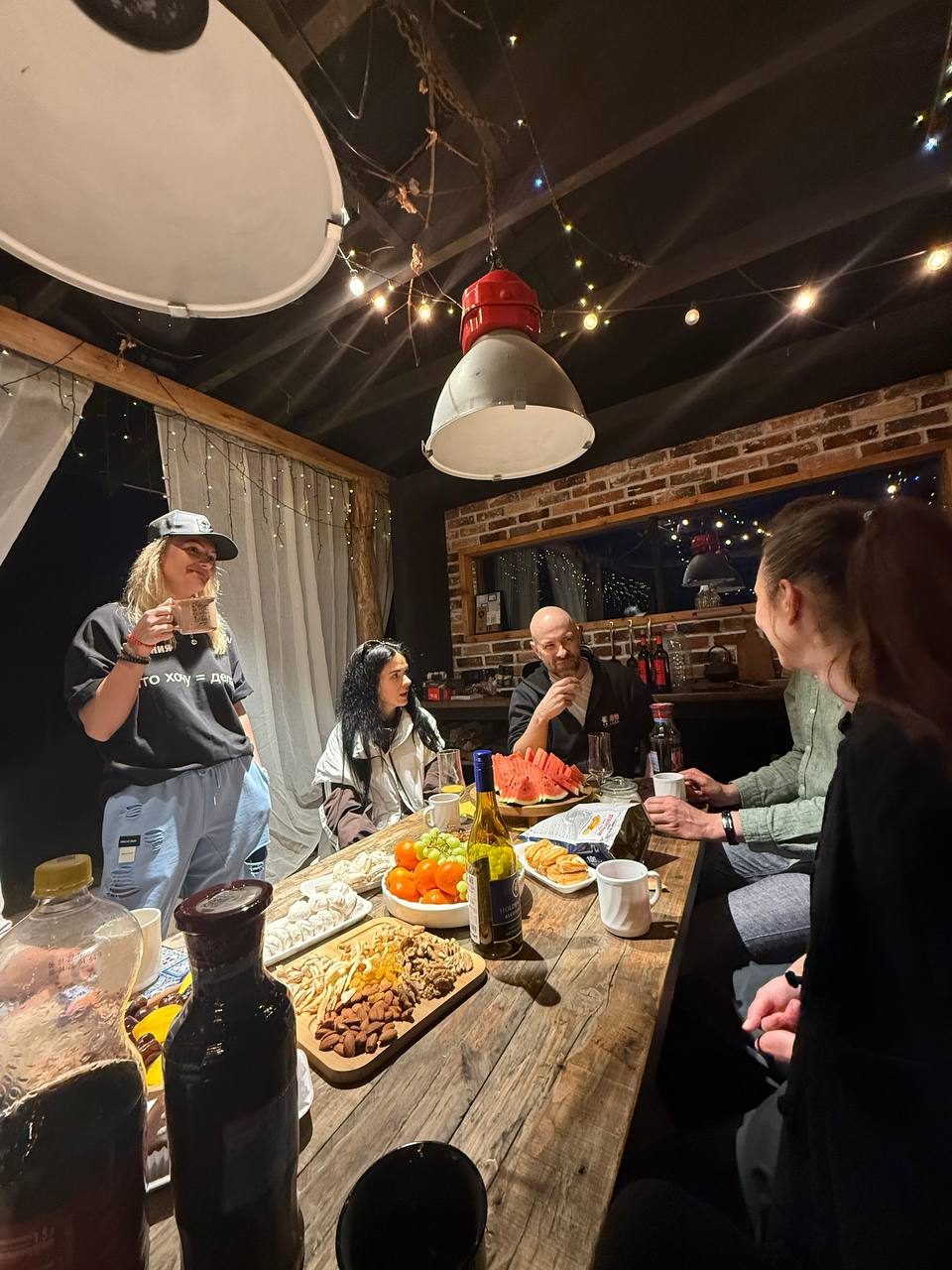
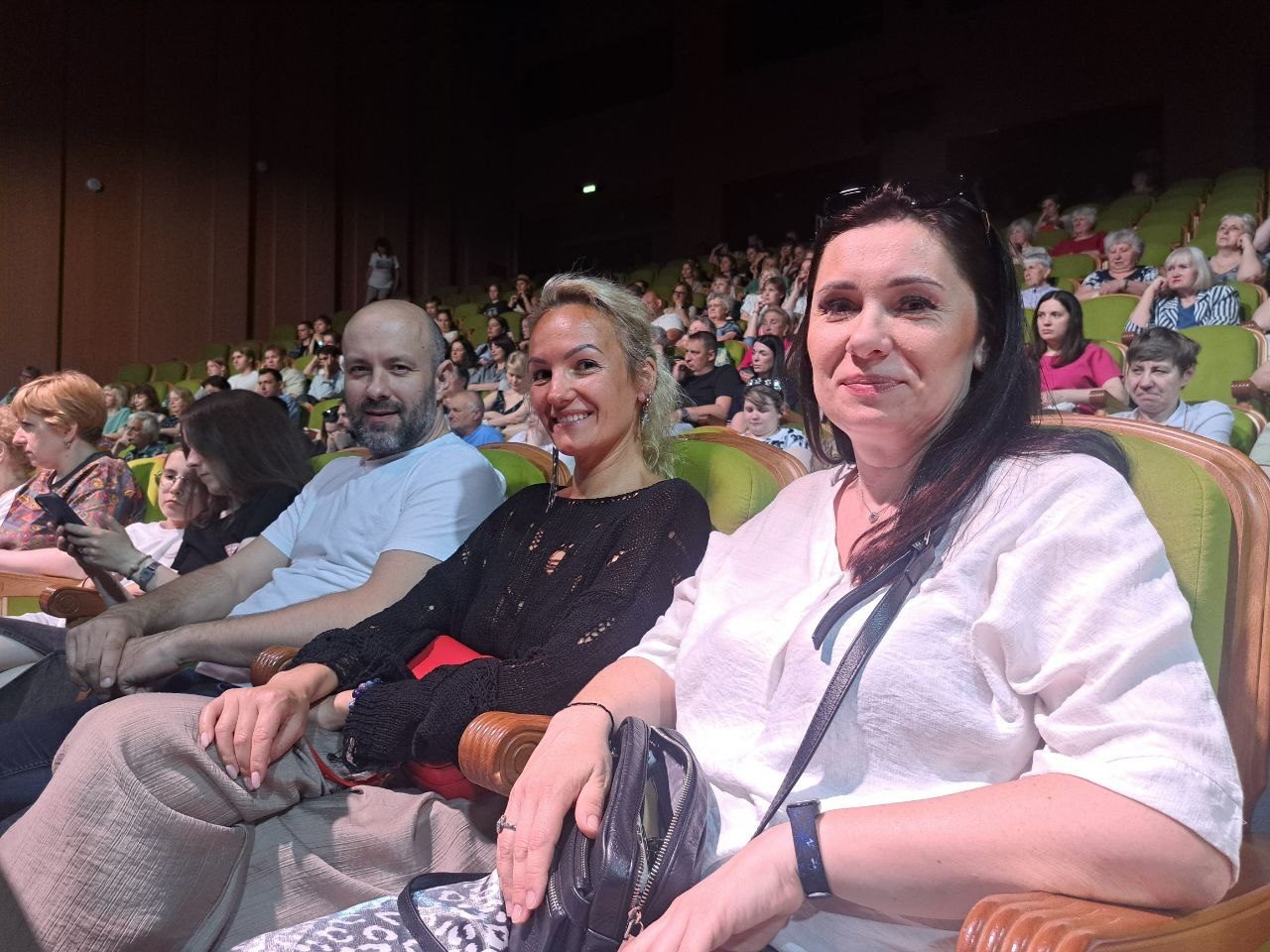

Swipe sideways to see all the photos →
How it works
Meetings
4 meetings per month
Intimate format — up to 10 people. Dates are announced in advance with rare exceptions.
Group
Intimate format — everyone knows each other.
Rules
Everyone reads and takes notes, brings questions — that's how a real conversation happens.
Result
A different consciousness on the way out.
An honest answer to yourself: “Why did I come?” And a pinch of courage to keep living your own way.
Remote
100% possibility to join online — live, on a video call, right during the meeting.
Every meeting is recorded — you can watch it at your own pace if you couldn't make it in person or online.
I want to join
Write to us — we'll tell you about the next meeting and how to join the group.
A new group starts in September — this season's theme: exploring the foundations of monogamous family. Participation — 10,000 ₽ a month.
Online payment on the site is still being connected. To sign up right now — click “Ask Katya first” below, we'll set everything up personally.
Payment requires signing in to your account — if you haven't signed in yet, we'll ask you to sign in or register right before payment, it's quick.
Or directly: aelita.production@yandex.ru